Caesar Salad, with its crisp romaine, creamy dressing, and crunchy croutons, has captivated palates for generations. This classic green dish offers a delightful blend of textures and flavors, making it a favorite for both casual lunches and elegant dinners. Moreover, its versatility allows you to enjoy it as a light main course or a vibrant side dish, catering to various occasions.
Beyond its iconic status, the appeal of this salad lies in its simple yet bold ingredients. From the rich umami of Parmesan cheese to the zesty hint of garlic, every bite delivers a satisfying taste experience. As we explore the art of crafting the perfect Caesar-inspired green bowl, you’ll discover endless possibilities to elevate this timeless favorite.
History of a Classic Dish:
The origin of the Caesar salad is a tale steeped in culinary legend. While many believe it was created in 1924 by Italian immigrant Caesar Cardini in Tijuana, Mexico, variations of the story exist. Legend has it that Cardini concocted this salad during a busy Fourth of July weekend when kitchen supplies were running low. He combined crisp romaine lettuce, flavorful Parmesan cheese, crunchy croutons, and a rich dressing made from raw eggs, garlic, and anchovies. This simple yet delicious combination quickly gained popularity.
Caesar salad has since evolved into a beloved staple, appearing on menus worldwide. Some recipes include grilled chicken or shrimp, adding protein and texture. For those interested in bringing a modern twist to this classic, exploring variations like kale Caesar salad can offer new flavors and health benefits. To learn more about Caesar salad’s evolution and its classic appeal, check out our detailed guide on delicious dressings and toppings.
Ingredients for Caesar Salad:
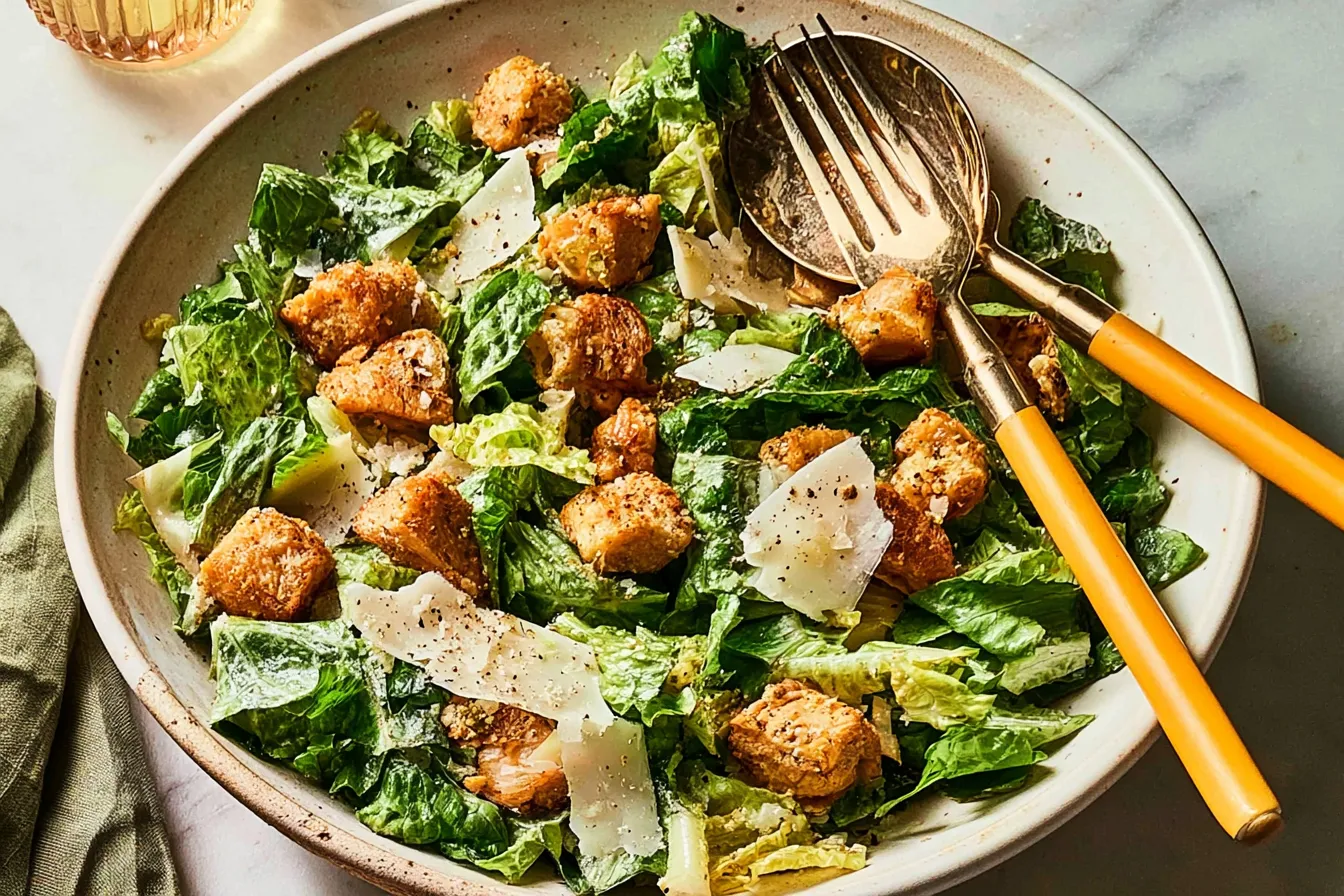
The centerpiece of any Caesar Salad is its rich flavor and delightful textures. This recipe will help you craft the perfect salad for any occasion. Start by gathering these essential ingredients:
- For the Croutons: 4 cups cubed crusty bread
- Extra-virgin olive oil, for drizzling
- Sea salt, for sprinkling
- For the Caesar Salad Dressing:
- 1 cup mayonnaise
- ¼ cup extra-virgin olive oil
- 2 tablespoons fresh lemon juice
- 2 teaspoons Dijon mustard
- 1 garlic clove, grated
- 1 teaspoon Worcestershire sauce*
- Pinch of sea salt
- Freshly ground black pepper
- ½ cup freshly grated Parmesan cheese*
- For the Salad:
- 1 pound romaine lettuce (about 2 medium heads), chopped or torn into bite-size pieces
- ½ cup shaved Parmesan cheese*
- Freshly ground black pepper
Each component plays a vital role in creating that iconic Caesar Salad experience. For more exciting salad recipes, check out our extensive selection of delicious salad ideas. Transform your meal with this classic dish that’s sure to impress!
How to Prepare Caesar Salad:
To create a delicious Caesar Salad featuring crispy homemade croutons, start by making the croutons. Preheat your oven to 350°F. Begin by cutting crusty bread into cubes and placing them on a parchment-lined baking sheet. Drizzle olive oil over the bread, sprinkle sea salt, and toss the pieces until they are evenly coated. Spread them across the sheet and bake for 10 to 18 minutes until golden brown. Meanwhile, whip up your dressing by combining mayonnaise, olive oil, lemon juice, Dijon mustard, grated garlic, Worcestershire sauce, a pinch of salt, and pepper in a bowl. Blend until smooth, adding freshly grated Parmesan cheese at the end.
Next, assemble the salad by placing chopped romaine lettuce in a large bowl. Pour half of the dressing over the leaves, add half of the croutons, and sprinkle some cheese. Toss everything together before adjusting the dressing to your taste. For an added twist, try pairing your Caesar Salad with grilled chicken for a satisfying meal. For more inspiration, visit this recipe for Best Chicken Caesar Salad with Homemade Croutons. Top your salad with the remaining croutons, Parmesan cheese, and additional pepper to complete the dish. Enjoy every bite of this classic and refreshing salad!
Variations of Caesar Salad:
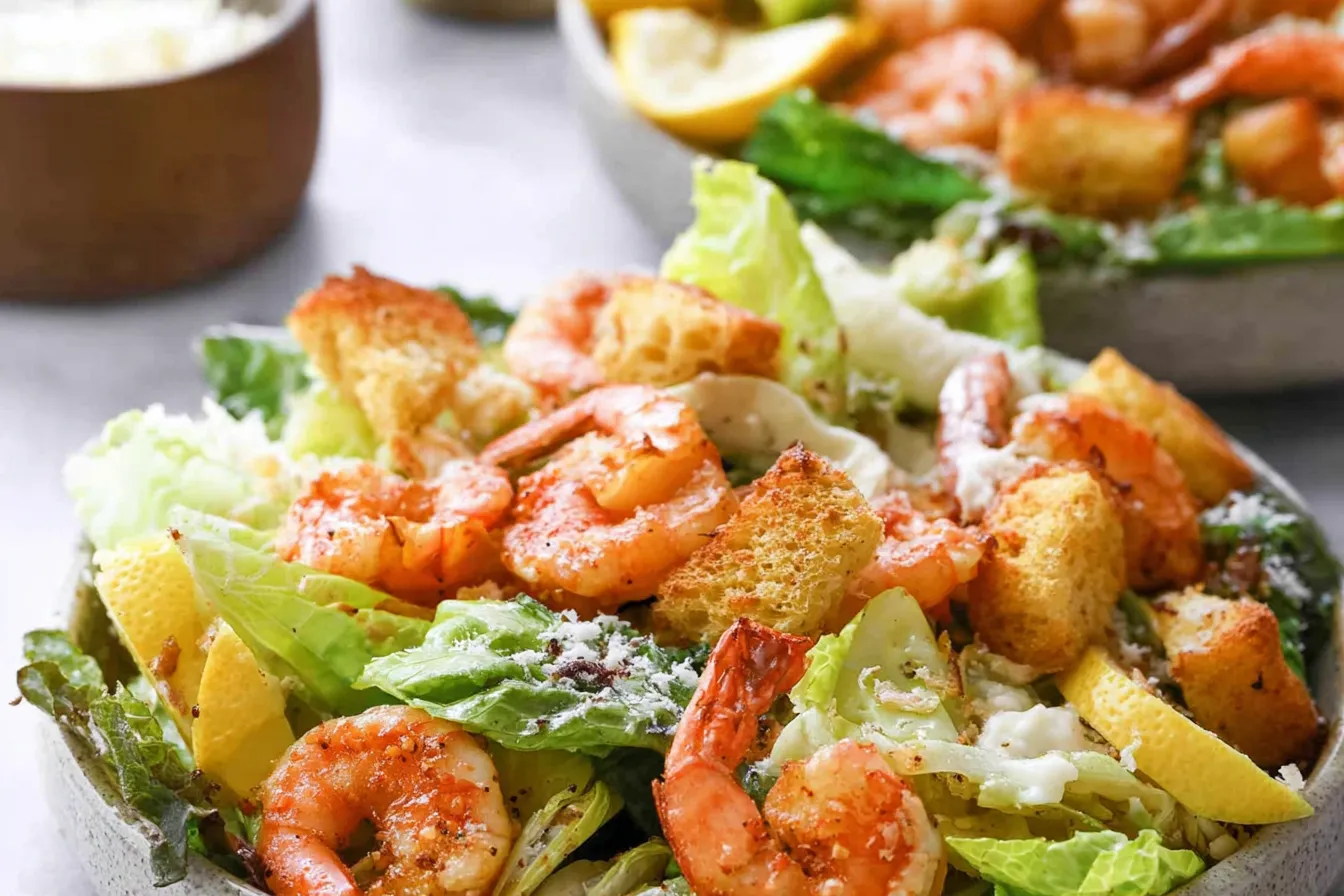
Caesar Salad remains a classic, but various adaptations can cater to different tastes and dietary needs. For instance, you can elevate the original recipe by adding grilled chicken for a heartier meal. This version is perfect for those seeking protein without losing the traditional flavors of crunchy romaine and creamy dressing. Alternatively, try a seafood Caesar Salad by incorporating shrimp or crab, adding a delightful oceanic twist.
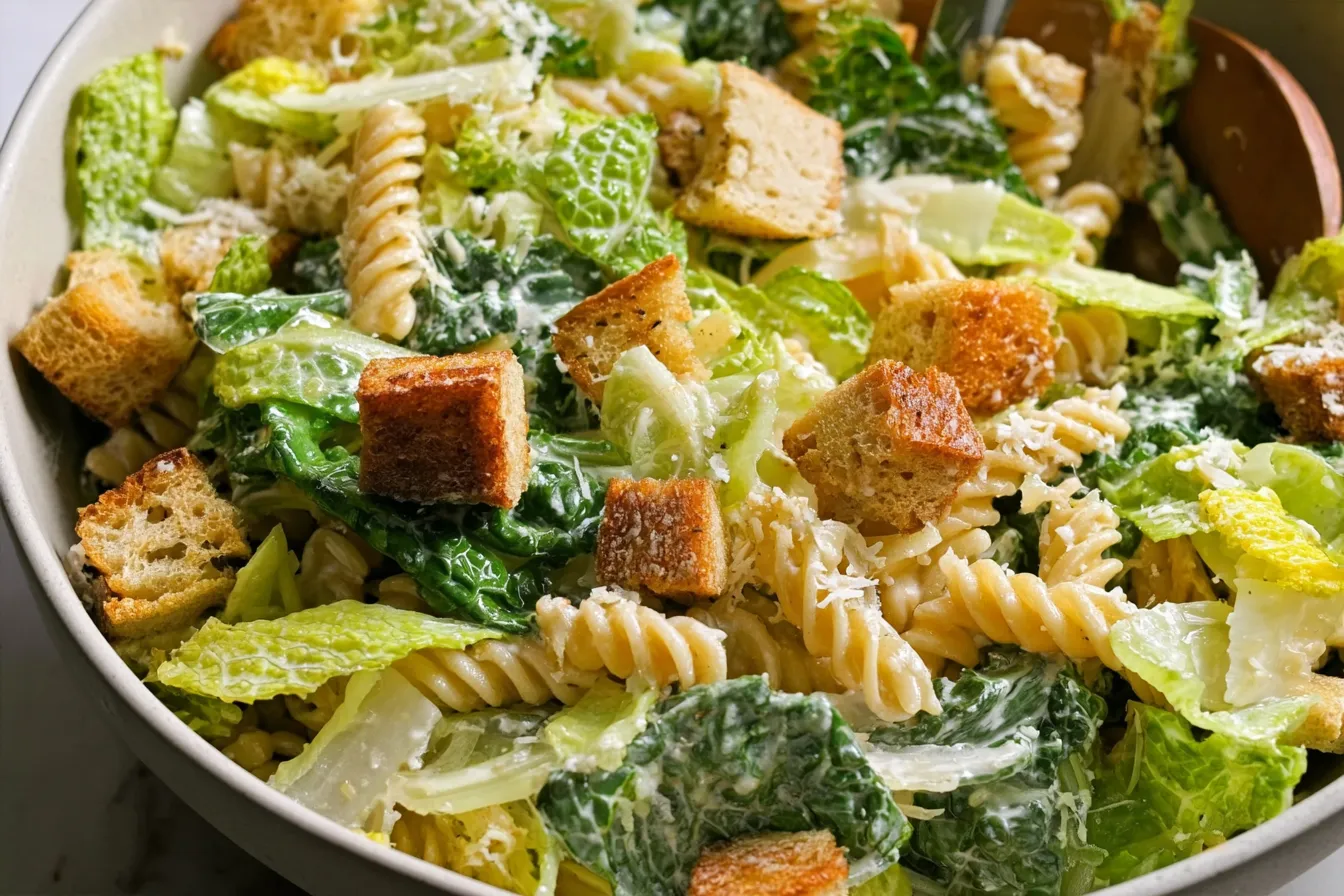
For a vegetarian option, replace the anchovies in the dressing with a hint of miso or nutritional yeast, which still provides a savory umami flavor. Additionally, consider a kale Caesar Salad, using sturdy kale Leaves instead of romaine for an added nutritional boost. If you’re interested in exploring even more variations, including recipes that integrate seasonal ingredients, check out our comprehensive guide on [salad variations](your-internal-link-here). This way, you can choose a Caesar-inspired dish that suits your palate or occasion.
Nutritional Benefits of Caesar Salad:
Caesar salad offers a delightful combination of flavors and essential nutrients. This classic dish typically includes romaine lettuce, croutons, parmesan cheese, and a creamy dressing, all of which provide various health benefits. Romaine lettuce is low in calories yet rich in vitamins A and C, supporting overall health. The addition of croutons adds some carbohydrates for energy, while parmesan cheese contributes protein and calcium, essential for strong bones.
Furthermore, the dressing often contains olive oil, a source of healthy fats that can improve heart health. For those looking to boost their nutrient intake, consider enhancing your Caesar salad with additional toppings such as grilled chicken or chickpeas, which can increase the protein content. For more versatile salad ideas, check out our section on salad variations. This richness of ingredients not only makes Caesar salad enjoyable but also packs a nutritional punch, making it a great option for a light meal or side dish.
Storage Tips:
To keep your Caesar salad fresh, store components separately. Place rinsed romaine in airtight containers while the dressing should be kept in a sealed jar. If using croutons, add them just before serving to maintain crunchiness. For more details on maximizing freshness, check out our guide on salad preservation techniques. Enjoy your classic Caesar goodness longer!
Frequently Asked Questions (FAQs):
What are the main ingredients in a classic Caesar salad?
The fundamental components of a classic Caesar salad include romaine lettuce, croutons, Parmesan cheese, and a creamy dressing, often made from egg yolks, olive oil, anchovies, garlic, and lemon juice. These ingredients come together to create a rich and flavorful dish that’s both satisfying and refreshing.
Can I make Caesar salad vegetarian?
Absolutely! To make a vegetarian version, simply omit the anchovies from the dressing. You can still achieve a delightful umami flavor by adding a dash of Worcestershire sauce or using a plant-based Parmesan cheese. That way, you retain the essence of this iconic salad while keeping it meat-free.
How can I add protein to my Caesar salad?
If you want to make your Caesar salad heartier, consider adding grilled chicken, shrimp, or tofu. These proteins not only enhance the nutritional value but also provide a satisfying depth of flavor, turning a simple Caesar into a complete meal.
Is it safe to eat Caesar salad dressing with raw eggs?
Using raw eggs in your dressing can pose a risk of salmonella. To ensure safety, you can use pasteurized eggs or look for recipes that incorporate alternative binding agents, such as Greek yogurt or mayonnaise, which provide a similar creaminess without the risk.
How do I store leftover Caesar salad?
To store remaining Caesar salad, separate the dressing from the greens and toppings. Keep the salad in an airtight container in the refrigerator for up to two days. When you’re ready to enjoy it again, simply toss with the dressing to revive the flavors.
Where can I find more salad recipes?
For a diverse array of salad recipes, visit our [salad recipe collection](#). This resource showcases various salads, including innovative takes on classic favorites, ensuring that you’ll always have something new to try.
Print
Caesar Salad: The Best Recipe You Must Try Today!
- Total Time: 50
- Yield: 4 servings 1x
Description
This classic Caesar Salad features crisp romaine lettuce, homemade croutons, and a creamy dressing, making it a perfect starter or side dish.
Ingredients
4 cups cubed crusty bread
Extra-virgin olive oil
Sea salt
1 cup mayonnaise
¼ cup extra-virgin olive oil
2 tablespoons fresh lemon juice
2 teaspoons Dijon mustard
1 garlic clove
grated
1 teaspoon Worcestershire sauce
Pinch sea salt
Freshly ground black pepper
½ cup freshly grated Parmesan cheese
1 pound romaine lettuce
chopped or torn
½ cup shaved Parmesan cheese
Instructions
- Preheat the oven to 350°F and line a baking sheet with parchment paper. Place the bread cubes on the baking sheet. Drizzle with olive oil, sprinkle with salt, and toss to coat. Spread evenly on the baking sheet and bake for 10 to 18 minutes, or until golden brown and crisp. Remove from the oven and set aside to cool.
- In a large liquid measuring cup or medium bowl, whisk together the mayonnaise, olive oil, lemon juice, mustard, garlic, Worcestershire sauce, salt, and several grinds of pepper until smooth. Stir in the cheese and season to taste. If the dressing is too thick, stir in water, 1 teaspoon at a time, until it reaches your desired consistency.
- Place the lettuce in a large bowl. Add half the dressing, half the croutons, and half the cheese and toss to coat. Add more dressing as desired, tossing until the salad is coated to your liking. Season to taste and top with the remaining croutons, remaining cheese, and several grinds of pepper.
Notes
For an extra kick, add some anchovy paste to the dressing or a squeeze of garlic for more flavor.
- Prep Time: 20
- Cook Time: 30
- Category: Salad
- Method: baking
- Cuisine: American
Nutrition
- Serving Size: 1 serving
- Calories: 250
- Protein: 3