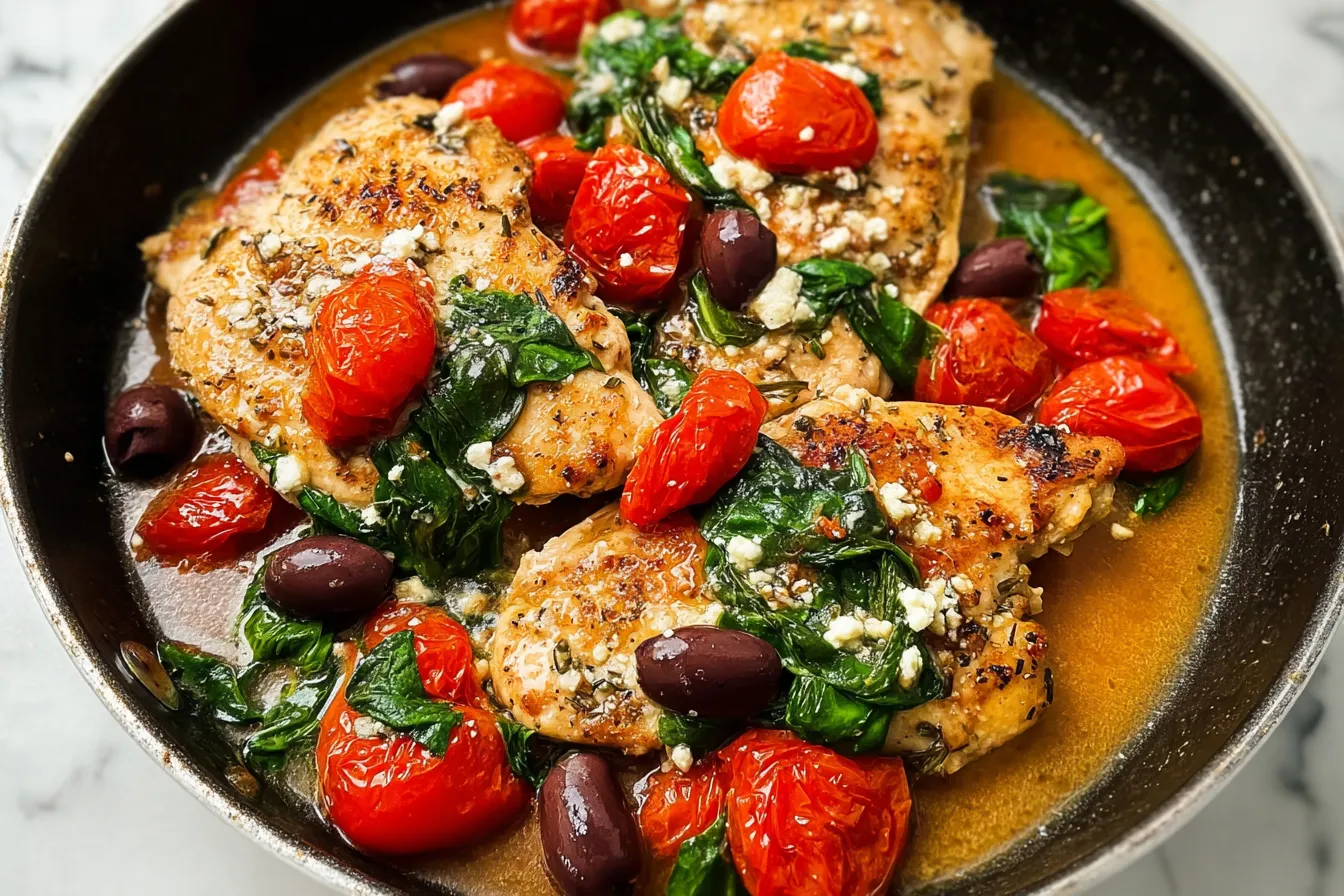
When summer arrives, nothing beats the refreshing taste of a Mediterranean classic – Greek Salad. This vibrant dish not only delivers a burst of flavors but also offers a wholesome array of ingredients. Featuring juicy tomatoes, crisp cucumbers, tangy feta cheese, and zesty olives, it embodies the essence of healthy eating and brings the sunny spirit of Greece right to your table.
Furthermore, the versatility of this traditional salad keeps it appealing for everyone, from health enthusiasts to picky eaters. Whether served as a side or a main course, a Mediterranean salad makes a delightful addition to any meal. So, let’s dive deeper into what makes this beloved dish a staple of the culinary world and how you can recreate it in your kitchen effortlessly!
The Basics of Greek Salad:
Greek salad, or Horiatiki as it’s traditionally known, celebrates fresh ingredients and vibrant flavors. This colorful dish typically includes juicy tomatoes, crisp cucumbers, briny Kalamata olives, and crumbled feta cheese, all drizzled with fragrant olive oil. A sprinkle of oregano enhances the Mediterranean essence, elevating each bite.
To create a balanced meal, consider pairing your Greek salad with hearty options like Greek gyro bowls, which add protein and further deliciousness. The simplicity of the preparation allows the natural flavors to shine, making it an ideal dish for warm-weather dining or as a side for grilled meats.
Furthermore, if you’re looking to explore more salads, check out a refreshing butternut squash and feta salad. This provides a delightful contrast to the classic Greek salad, thanks to the earthy sweetness and creamy texture. Whether enjoyed alone or paired with a main dish, Greek salad is a must-try for anyone craving a taste of the Mediterranean!

Ingredients for Greek Salad:
To create a refreshing Greek Salad, gather the following ingredients:
Dressing:
– ¼ cup extra-virgin olive oil
– 3 tablespoons red wine vinegar
– 1 garlic clove, minced
– ½ teaspoon dried oregano (plus more for sprinkling)
– ¼ teaspoon Dijon mustard
– ¼ teaspoon sea salt
– Freshly ground black pepper, to taste
For the salad:
– 1 English cucumber, cut lengthwise, seeded, and sliced into ¼-inch thick pieces
– 1 green bell pepper, chopped into 1-inch pieces
– 2 cups halved cherry tomatoes
– 5 ounces feta cheese, cut into ½-inch cubes (feta in brine is best)
– ⅓ cup thinly sliced red onion
– ⅓ cup pitted Kalamata olives
– ⅓ cup fresh mint leaves
Combine these ingredients for a delightful Mediterranean dish that bursts with flavor. When making similar fresh salads, consider exploring one of my seasonal favorites, the Autumn Harvest Honeycrisp Apple Feta Salad, for a unique twist on seasonal ingredients.
For the ideal eating experience, toss the salad gently after drizzling it with the dressing. This helps the flavors meld beautifully while keeping the vegetables crisp.
How to Prepare Greek Salad:
For a refreshing Greek salad, start by whisking together your dressing. In a small bowl, combine ¼ cup of extra-virgin olive oil with 3 tablespoons of red wine vinegar, along with 1 minced garlic clove, ½ teaspoon of dried oregano, ¼ teaspoon of Dijon mustard, and ¼ teaspoon of sea salt. Finish with freshly ground black pepper to taste.
Next, prepare the salad base. On a large platter, beautifully arrange 1 English cucumber, cut lengthwise, seeded, and sliced into ¼-inch thick pieces; 1 chopped green bell pepper; and 2 cups of halved cherry tomatoes. Add 5 ounces of feta cheese, cut into ½ inch cubes, and scatter ⅓ cup of thinly sliced red onion and ⅓ cup of pitted Kalamata olives atop the vibrant veggies.
Drizzle the prepared dressing over the salad, gently toss, and sprinkle with additional oregano and fresh mint leaves. This dish pairs wonderfully with other salads, like our Warm Kale Apple Fall Salad, offering a delicious contrast of flavors. To explore more about Greek salads, visit RecipeTin Eats for an authentic touch. Enjoy your refreshing, delicious Greek salad!
Nutritional Benefits:
Greek Salad, a vibrant combination of fresh vegetables and cheese, offers numerous health benefits. Rich in vitamins and minerals, this dish primarily features tomatoes, cucumbers, bell peppers, red onions, and olives. Tomatoes are an excellent source of vitamin C and lycopene, an antioxidant known for promoting heart health. Cucumbers provide hydration and essential nutrients while being low in calories.
Moreover, the addition of feta cheese contributes protein and calcium, enhancing bone strength. Olives are packed with healthy fats and antioxidants that can aid in reducing inflammation. This Mediterranean dish is not only refreshing but also low in carbohydrates, making it great for weight management.
For a delicious twist on healthy salads, you may also want to try the Roasted Sweet Potato Goat Cheese Salad that pairs beautifully with Greek flavors. This salad is perfect for a light lunch or as a side dish at dinner, making it adaptable for any occasion. Enjoying Greek Salad regularly can foster a nutritious lifestyle while pleasing the palate.
Variations:
Greek salad is a versatile dish that can be adapted to suit various tastes and dietary preferences. For instance, you can add protein by including grilled chicken or shrimp. If you’re looking for a hearty twist, consider transforming your Greek salad into a Greek Gyro Bowl, which combines fresh salad ingredients with savory gyro meat for a filling meal. Alternatively, you might enjoy a warm fall salad that features ingredients like roasted kale and apples, bringing a seasonal flair to your dish. To further enrich your salad experience, try topping it with crumbled feta or adding olives for a Mediterranean burst.
In addition, for a delightful version of this classic dish, experiment with a butternut squash and feta salad. The sweetness of roasted squash pairs beautifully with tangy feta, creating a satisfying contrast. Whichever variation you choose, Greek salad offers endless opportunities to explore flavors and textures.
Storage Tips for Greek Salad:
To preserve your refreshing Greek salad, store it in an airtight container in the fridge. If possible, keep the dressing separate until ready to serve, preventing sogginess. Consume within 2-3 days for optimal freshness. For another delicious salad option, check out this Warm Kale and Apple Fall Salad that provides great flavors and nutrients!
Frequently Asked Questions (FAQs):
What ingredients are typically included in a traditional Greek salad?
In a classic Greek salad, you will usually find juicy tomatoes, crisp cucumbers, sharp red onions, bell peppers, briny olives, and crumbly feta cheese. The dressing typically consists of olive oil, lemon juice, and oregano, providing a refreshing taste that complements the vibrant vegetables.
Is Greek salad healthy?
Absolutely! This Mediterranean dish is packed with nutritious vegetables and healthy fats from olive oil and olives. It offers essential vitamins and minerals while being low in calories, making it a fantastic addition to a balanced diet.
Can I customize my Greek salad?
Definitely! You can adjust the ingredients to your preference. Some people like to add protein, such as grilled chicken or chickpeas, while others prefer extra toppings like avocados or a sprinkle of nuts. For a change, try pairing it with a delicious roasted sweet potato and goat cheese salad.
How do I store leftovers of Greek salad?
To keep your Greek salad fresh, it’s best to store ingredients separately if possible. Once combined, place it in an airtight container and refrigerate. Consume within a day or two for optimal freshness and flavor.
What is the difference between Greek salad and other salads?
Greek salad, or Horiatiki, is known for its distinct flavor profile and use of traditional Mediterranean ingredients, unlike many other salads that may feature creamy dressings or a mix of greens. It highlights the freshness of vegetables and simplicity in preparation.
Can I make Greek salad ahead of time?
Yes! This dish can be prepared in advance by chopping vegetables and storing them in the refrigerator. However, it’s best to add the dressing just before serving to prevent the ingredients from becoming soggy. Enjoying it fresh enhances the overall experience!
Print
Greek Salad: A Delicious Way to Enjoy Fresh Ingredients!
- Total Time: 50
- Yield: 4 servings 1x
Description
This refreshing Greek Salad is a vibrant mix of crisp cucumbers, juicy tomatoes, feta cheese, and olives, dressed with a tangy olive oil dressing, perfect for any occasion.
Ingredients
¼ cup extra-virgin olive oil
3 tablespoons red wine vinegar
1 garlic clove
minced
½ teaspoon dried oregano
¼ teaspoon Dijon mustard
¼ teaspoon sea salt
Freshly ground black pepper
1 English cucumber
cut lengthwise and sliced
1 green bell pepper
chopped
2 cups halved cherry tomatoes
5 ounces feta cheese
cut into cubes
⅓ cup thinly sliced red onion
⅓ cup pitted Kalamata olives
⅓ cup fresh mint leaves
Instructions
- In a small bowl, whisk together the olive oil, vinegar, garlic, oregano, mustard, salt, and several grinds of pepper.
- On a large platter, arrange the cucumber, green pepper, cherry tomatoes, feta cheese, red onions, and olives. Drizzle with the dressing and very gently toss.
- Sprinkle with a few generous pinches of oregano and top with the mint leaves. Season to taste and serve.
Notes
Feta in brine is best for this recipe.
- Prep Time: 20
- Cook Time: 30
- Category: Salad
- Method: baking
- Cuisine: Greek
Nutrition
- Serving Size: 1 serving
- Calories: 250
- Protein: 3g